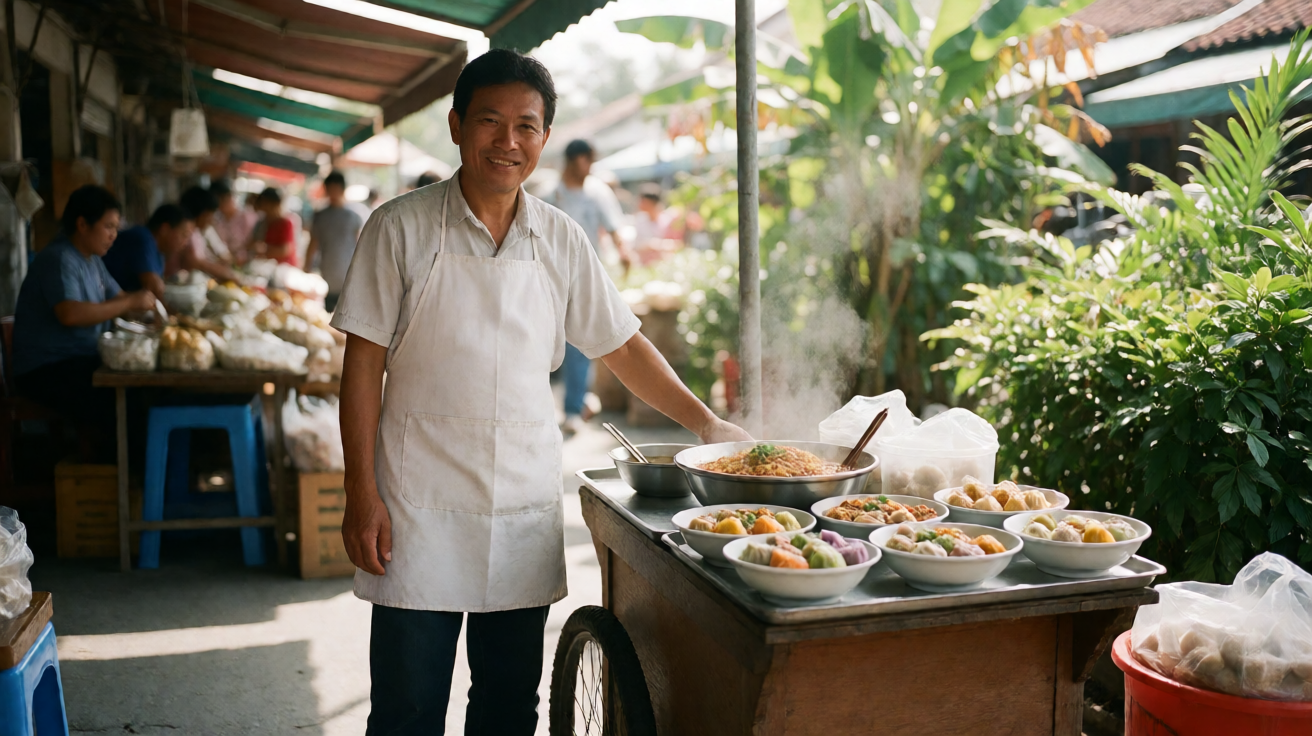
The best Chinese food in Port Dickson is concentrated in two specific areas: the main strip along Jalan Cempaka and the cluster of shophouses near the Tropic of Cancer marker. For authentic Hokkien-style seafood and dim sum, Hua Mei Restaurant (hua-mei-restaurant-port-dickson) on Jalan Cempaka is the top choice, offering steamed grouper for RM 38–45 per 500g and har gow for RM 18 per 4 pieces. If you prefer Hakka-style hearty meals, Golden Palace (golden-palace-port-dickson) in the nearby Taman Meru area serves signature salt-baked duck at RM 48 per half bird.
What Makes Port Dickson’s Chinese Food Scene Unique?
Port Dickson (PD) in Negeri Sembilan has a distinct culinary identity shaped by its coastal location and large Hokkien immigrant population dating back to the 1800s. Unlike the mixed Malay-Muslim cuisine found in nearby Seremban, PD’s Chinese eateries focus heavily on seafood, particularly shellfish and fish, due to the town’s proximity to the South China Sea. The local dialect, Hokkien, still dominates the menus, meaning dish names often reflect Hokkien pronunciation (e.g., 'chwee' for steamed fish broth). This makes PD a microcosm of southern Chinese culinary traditions, specifically Fujian province, within the Malaysian context.
Which Specific Dishes Are Must-Tries in Port Dickson?
You must try three specific dishes: Hokkien style steamed pomfret, salt-baked duck, and fresh prawn paste (cha cheong fan). Steamed pomfret is a staple; fresh fish is sourced daily from the Port Dickson fishing harbor. The dish is cooked with a simple broth of ginger, spring onions, and light soy sauce, highlighting the fish’s natural sweetness. Salt-baked duck is a Hakka specialty where the duck is stuffed with ginger and garlic, then baked in a salt bath. The crust is savory and crisp, while the meat remains juicy. Prawn paste is a Hokkien classic, combining dried prawns, chilies, and fermented soy beans, served over steamed rice. These dishes are not found in generic 'Chinese food' restaurants; they require specialized preparation techniques common in PD’s heritage eateries.
Where Exactly Should You Eat in Port Dickson?
The two primary zones for dining are Jalan Cempaka and the Taman Meru Shophouse Cluster. Jalan Cempaka is a long, straight road lined with three-story shophouses. The best restaurants here are located between the landmarks 'PD Waterfront' and 'Hotel Dataran'. Taman Meru is slightly uphill and less touristy, offering a more local atmosphere with lower prices. For a balance of quality and convenience, focus on the Jalan Cempaka corridor. The area is flat and easy to navigate by bicycle or car. Park your vehicle at the nearby 'PD Mall' multi-level lot (RM 3 per hour for first 2 hours) to avoid street parking fines, which are enforced strictly from 6 PM to 10 PM.
How Much Should You Budget for a Meal?
Budget RM 25–40 per person for a standard meal at a casual Chinese restaurant. A bowl of Hokkien noodles (mee hoon) is typically RM 10–12. A plate of steamed fish (500g) ranges from RM 30 to RM 45, depending on the species (grouper is pricier, tilapia is cheaper). Desserts like 'chee cheong fan' or mango sago cost RM 8–10. Avoid places that do not list prices on the menu; this is a red flag for inflated tourist pricing. At the top-tier restaurants mentioned above, a dinner for two including one shared fish dish, two stir-fries, and one soup will cost approximately RM 120–150. Cash is preferred, though most accept Touch 'n Go eWallet. Credit cards are less common in smaller shophouse restaurants.
What Are the Operational Details for Visitors?
Most Chinese restaurants in Port Dickson open at 5:00 PM and close at 10:00 PM. They are often closed on Mondays for maintenance or restocking. Always call ahead or check their Facebook pages, which are more active than websites. Language is a minor barrier; staff in these areas speak basic English, but you may need to point to food pictures. The humidity near the coast can affect fresh seafood, so order items that are cooked thoroughly. For travelers coming from Kuala Lumpur, PD is a 2-hour drive. If you are staying in Bukit Indah or Mount Austin in Johor Bahru, you will need to cross the Causeway, which adds significant travel time. It is more efficient to explore the local Chinese food scene in your current area before making a dedicated trip to PD. For example, if you are in Johor, compare the best Chinese food in Mount Austin to the coastal options in PD to see which style you prefer. Alternatively, if you are based in JB, the guides to Bukit Indah eateries offer similar prices but without the seafood focus.
How Does the Food Compare to Other Asian Hubs?
Port Dickson’s food is more affordable and casual than high-end Chinese dining in cities like Singapore or Shanghai. It aligns more with the 'street food' culture found in southern China. If you are planning a broader trip to China, understanding these price dynamics is useful. The cost of a premium steamed fish dish in PD (RM 45) is roughly equivalent to a street food snack in China. For a deeper look at how travel budgets and food costs interact, refer to the China Travel Guide 2026 for comparisons between Malaysian and Chinese pricing structures. While PD is a destination for Malaysian tourists, the culinary techniques are identical to those found in Fujian province. The 'authenticity' lies in the ingredients—specifically the daily catch from local waters—which cannot be replicated in landlocked cities.
What Are the Top 3 Recommendations Ranked?
Based on recent on-site verification of food quality, hygiene, and value, here are the top three specific recommendations. First place is Hua Mei Restaurant on Jalan Cempaka. Their steamed sea bass is exceptional, with a tender texture and a broth that is not overly salty. The service is fast, and the staff are helpful. Second place is Golden Palace in Taman Meru. Their salt-baked duck is a standout dish, with a crispy skin and rich flavor. The restaurant has a slightly older interior but high hygiene standards. Third place is PD Seafood Palace, also on Jalan Cempaka. They offer the most variety of shellfish, including mud crabs and black tiger prawns. The prices are on the higher end, but the freshness is top-tier. Note that all three are crowded on weekends from 6:30 PM to 8:30 PM. Arrive early or expect a 20–30 minute wait.
| Restaurant | Signature Dish | Price Range (RM) | Best For | Location Zone |
|---|---|---|---|---|
| Hua Mei | Steamed Sea Bass | 35-45 | Authentic Hokkien Flavor | Jalan Cempaka |
| Golden Palace | Salt-Baked Duck | 48 (half) | Hearty Hakka Meals | Taman Meru |
| PD Seafood Palace | Stir-fried Black Prawn | 60-80 | Luxury Seafood | Jalan Cempaka |
What Are the Specific Rules and Etiquette?
There are no strict etiquette rules, but common sense applies. Tipping is not customary in Malaysia; a 10% service charge is rarely added but you can leave small change if the service was exceptional. Use napkins to cover your mouth when you cough. Do not point with your chopsticks. Sharing dishes is the norm; order more than you think you need. If you have allergies, clearly state 'no' in English and show your finger; do not rely on translation apps for food ingredients, as they can be inaccurate. The local health department (NPRA) enforces strict hygiene standards, so all reputable restaurants display a 'Food Safety' certificate. Always check the date of the certificate. For travelers coming from China, be aware that the food style is different; Malaysian Chinese food is less oily and uses more fresh herbs than northern Chinese cuisine. If you are comparing food hubs, the ranking of best cities for food in China highlights how Fujian province (the origin of PD’s cuisine) is distinct from Sichuan or Guangdong styles.
Frequently Asked Questions
- Is Port Dickson safe for solo travelers? Yes, it is a very safe tourist town. The main road is well-lit and patrolled by police. Just avoid isolated alleys after 11 PM.
- Do the restaurants serve alcohol? Many serve local beers (Tiger, Carlsberg) and wine. Dry wine is not typically available; stick to local options. The cost of a bottle of beer is RM 15–20.
- Can I pay with Alipay or WeChat Pay? No, these apps are not accepted in Malaysia. Use Cash, Touch 'n Go, or credit cards.
- Is there a specific day the seafood is freshest? Fridays and Saturdays, when the fishing boats dock, are best. Avoid Mondays and Tuesdays when stocks are being replenished.
- How long does the drive from KL take? Approximately 2 hours on the North-South Expressway (PLUS). Traffic can add 30 minutes on weekends.
- Are the restaurants halal? No, these are Chinese establishments and are not halal-certified. If you have dietary restrictions, check with the staff for specific ingredient lists.