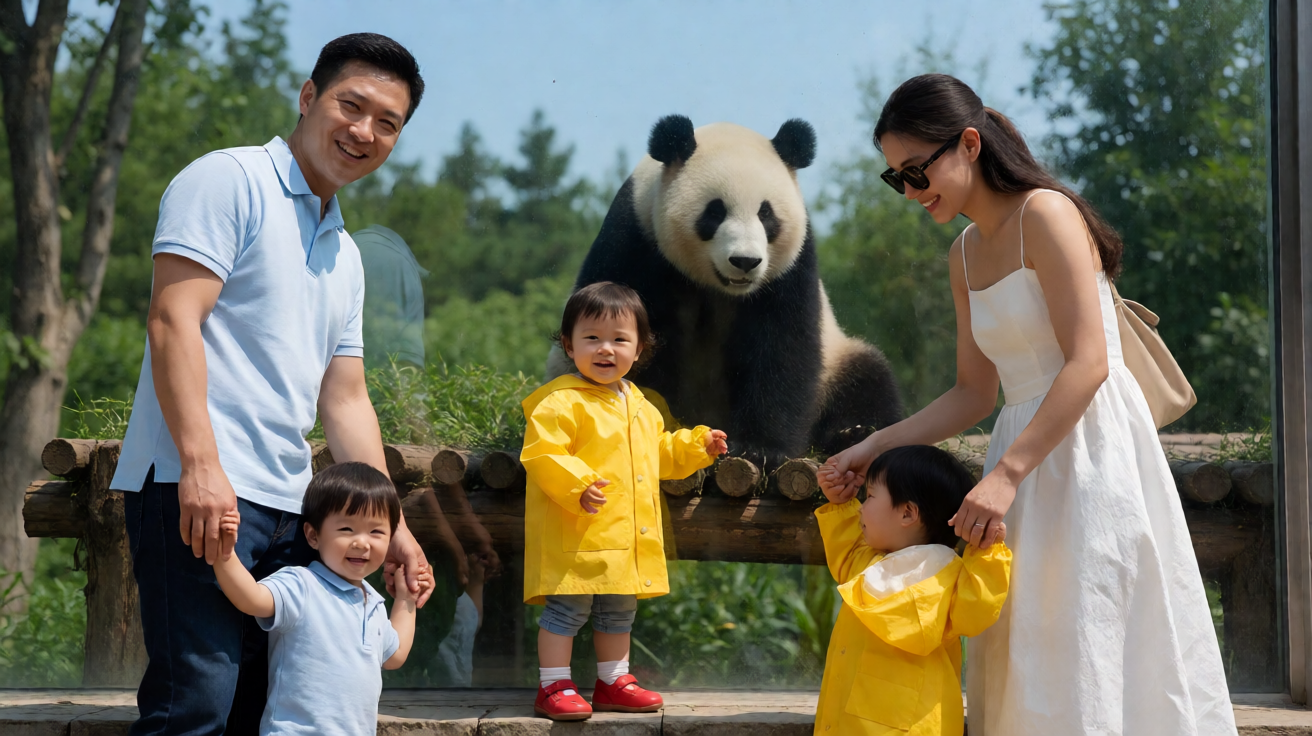
The three most rewarding things to do in China with kids are visiting the Chengdu Research Base of Giant Panda Breeding, walking the Mutianyu section of the Great Wall, and exploring the Shanghai Science and Technology Museum. These three sites combine high educational value, manageable physical demands for children, and distinct cultural exposure that defines a family trip to China. Each location offers specific interactive elements that keep children engaged for at least three hours, ensuring the experience is memorable rather than just a passive tour. They are also geographically efficient, allowing you to pair them with nearby food stops and transport hubs without excessive fatigue. This combination covers wildlife, history, and modern science, giving children a rounded view of Chinese society and nature. The specific logistics, such as ticket prices and entry times, are designed to be family-friendly if planned correctly.
Why These Three Activities Stand Out for Families
Selecting activities for children in China requires balancing educational depth with physical capability. The Great Wall is iconic, but not all sections are suitable for young children. Mutianyu is specifically recommended over Badaling because it has fewer crowds and offers cable car access, which reduces hiking time for kids under ten. The cable car ride itself is an attraction, costing approximately 80 CNY per person for a round trip. This allows families to explore the ramparts at a manageable pace. The Chengdu panda base is a sanctuary where you can see young pandas in the nurseries, providing a unique wildlife encounter that is safe and educational. The Shanghai Science and Technology Museum focuses on interactive exhibits where children can touch and build, which keeps them engaged for longer periods than passive viewing. These three choices are distinct in type, preventing boredom and offering variety.
What is the best section of the Great Wall for children?
Mutianyu Great Wall is the optimal choice for families with children because it features smooth, paved pathways and cable car access. The section is 4 kilometers long and has a moderate elevation, making it less strenuous than other parts. The cable car system reduces the walking time from 30 minutes to 10 minutes. Tickets for the entrance cost 40 CNY, and children under 1.2 meters in height enter free of charge. This specific section is better maintained and less crowded than Badaling, which often experiences severe congestion. The paved roads allow for easy stroller access on the lower sections, although the upper ramparts require proper footwear. The visual scale of the wall provides a tangible history lesson that books cannot replicate.
How much does it cost to visit the Chengdu Panda Base?
The entry fee to the Chengdu Research Base of Giant Panda Breeding is 55 CNY per adult. Children under 1.2 meters enter for free, and those between 1.2 and 1.4 meters pay half price, which is 27.5 CNY. A one-day tour can easily take three hours if you use the shuttle bus, which costs 30 CNY per person. The base is located about 10 kilometers north of the city center, accessible by a 20-minute taxi ride. The early morning hours, specifically 8:00 to 10:00, are when the pandas are most active because it is their feeding time. This timing is crucial for maximizing the viewing experience. The nursery section allows visitors to see pandas from two to three months old in a controlled environment.
Is the Shanghai Science and Technology Museum suitable for young kids?
The Shanghai Science and Technology Museum is highly suitable for children aged six and older because of its interactive design. The ticket price is 45 CNY for adults, and children under 1.4 meters enter free of charge. The museum covers areas like robotics, energy, and space exploration, with hands-on stations. A typical visit lasts between three and four hours. The museum is located in Pudong, across the Huangpu River from the historic Bund. It is best visited on weekdays to avoid large crowds, which can make waiting times for exhibits longer. The architecture itself is a landmark, featuring a red spire that is visible from many parts of the city.
Practical Logistics for Family Travel
Managing travel logistics in China requires specific preparation to ensure comfort for children. Navigation and booking should be handled through apps that support English and international credit cards. While WeChat Pay and Alipay are dominant, international visitors can now link foreign credit cards to these platforms. This allows for cashless transactions for tickets and meals. Transporting between these three cities requires booking high-speed rail tickets in advance. The distance between Shanghai and Beijing is approximately 1,200 kilometers, taking about four and a half hours on the G-series train. The fare for a second-class seat is around 553 CNY. Chengdu is located further west, and flying is usually more efficient for families with young children, taking about two hours from Shanghai. Packing light is essential because public transport hubs can be busy. Diaper changing facilities are available in most major shopping malls and airports, but carrying your own supplies is safer.
How do I navigate Chinese public transport with children?
Using the Beijing Subway or Shanghai Metro with children is straightforward but requires preparation. Most stations have elevators, but you should check the floor maps for accessible routes. A map app like Citymapper is essential for planning routes. Fares are distance-based, starting at 3 CNY for short trips. For long-distance travel, high-speed trains are the most reliable option. Booking is done through the 12306 app, which now supports English and foreign ID verification. Buying tickets at least two weeks in advance ensures you get seats in the same family unit. The trains are punctual and have clean restrooms, which is a significant benefit for families. Luggage can be stored in overhead racks or on dedicated shelves. The environment is generally quiet, allowing children to sleep or work on tablets.
What food options are safe for children in China?
Requesting "not spicy" (bude) is a universal and effective phrase for parents to know. In Cantonese-speaking areas like Guangzhou or Hong Kong, "maai maai" can be used, but Mandarin "bude" is standard in Beijing and Shanghai. Noodles are a versatile option, as they can be served without chili oil. Steamed fish and vegetables are typically prepared for children if requested. In restaurants, you can ask for the sauce on the side. Street food is popular, but for young children, it is safer to stick to large chains like KFC or McDonald's, which are ubiquitous and consistent in hygiene. Drinking water should always be bottled, as tap water is not intended for consumption in most cities. Ice in drinks from reputable sources is generally safe, but homemade slushies from small carts should be avoided.
Health and Safety Considerations
Health planning is critical for family travel in China. The air quality index (AQI) varies by city and season, so checking daily forecasts is necessary. In Beijing, winter months can have high particulate matter levels, so N95 masks are recommended for outdoor activities during these times. Shanghai and Chengdu have generally better air quality, but it is still wise to monitor conditions. Healthcare is available in all major cities, with international clinics in Shanghai and Beijing offering English-speaking doctors. A comprehensive travel insurance policy that covers medical evacuation is essential. Vaccinations should be up to date, and a pediatrician's consultation before travel is recommended. Emergency services are efficient, but communication barriers can exist, so saving the 120 ambulance number is crucial. Hospitals have dedicated international departments for travelers who do not speak Chinese.
What vaccinations are recommended for kids traveling to China?
Standard childhood vaccinations should be up to date before travel. Additional recommendations include hepatitis A and B, which are common in the region. Typhoid vaccination is also advised for children over two years old. Malaria is not a concern in the major tourist cities like Beijing, Shanghai, and Chengdu, but it is relevant in remote rural areas. There is no vaccine requirement from the Chinese government for entry, but health guidelines from your home country's CDC or NHS should be consulted. Keeping a digital copy of the vaccination record is useful in case of medical emergencies. The diseases are not prevalent in urban centers, so the risk is low for healthy travelers.
| Activity | City | Cost per Adult | Cost per Child | Duration |
|---|---|---|---|---|
| Great Wall (Mutianyu) | Beijing | 40 CNY | Free under 1.2m | 3-4 hours |
| Panda Base | Chengdu | 55 CNY | Free under 1.2m | 3 hours |
| Science Museum | Shanghai | 45 CNY | Free under 1.4m | 3-4 hours |
| High-Speed Train | Shanghai to Beijing | 553 CNY | Same as adult | 4.5 hours |
Planning these three activities allows for a comprehensive family trip that balances history, nature, and modern technology. The key is to pace the itinerary, allowing for rest days between major cities. Using high-speed trains for the Shanghai-Beijing leg is an experience in itself for children, showing the speed of modern Chinese infrastructure. The panda base offers a gentler pace, suitable for relaxation. The Great Wall provides the physical challenge and historical awe. By combining these specific sites, you create a narrative of travel that is educational and enjoyable for the whole family. Always check official websites for the latest ticket prices and operating hours before departing.