China runs on QR codes. The good news is that visitors can use them too; the bad news is that the first hour is confusing. Here are the ten questions I get asked most, answered with the numbers that actually matter.
Do I still need cash in China?
Yes — keep ¥200–300 in small notes. Mobile payment covers most shops, restaurants and taxis, but cash saves you when a small stall only has a personal QR code, when your phone battery dies, or when you arrive before your e-wallet is verified. Notes of ¥10 and ¥20 are the most useful, because small vendors often cannot change a ¥100 bill.
Can I just use my Visa or Mastercard?
Only in a thin layer of places: international hotels, airport shops and a few big malls. A neighborhood noodle shop, a metro ticket machine and almost every taxi will not take it. Treat your plastic card as a backup and your phone as the main wallet.
How do I set up Alipay or WeChat Pay as a foreigner?
Install the app before you land, register with your passport, add a Chinese phone number you can receive SMS on, then bind an international card. Verification usually completes within minutes, but the first transaction sometimes triggers an extra identity check — so do a small test payment at the airport rather than at a shop where you are holding up a queue.
Is there a fee for using a foreign card?
Small payments are usually free, and larger ones may carry a service fee around 3% — the app shows it on the confirmation screen before you approve. Your own bank may add its own foreign transaction fee on top, so check both. Fees change; trust the number the app shows you, not a blog post.
Why was my payment declined?
Four common reasons: the merchant is over your single-transaction limit, your card issuer flagged an unusual overseas charge, real-name verification is incomplete, or you are offline. Switching from WeChat Pay to Alipay (or the reverse) often works instantly, which is why keeping both installed is worth it.
Can I pay for the metro and buses with my phone?
Yes. Most city metros sell single-journey tokens or accept the transport QR code inside Alipay or WeChat, and city buses usually show a QR code next to the driver. Fares are typically ¥2–¥7 per ride depending on distance and city. A physical transport card still works everywhere and does not need a battery.
What about taxis and street food?
Taxis accept mobile payment almost universally, though drivers prefer you to scan their code rather than them scanning yours. Street stalls vary: many have a printed QR code, but a few older vendors only take cash or a personal transfer. Ask before you order, not after.
Should I tip?
No. Tipping is not expected in restaurants, taxis or hotels, and leaving money can cause confusion rather than gratitude. Rounding up a few yuan for exceptional service is harmless but not a custom. Paying the exact amount on screen is completely normal.
What if my phone dies or gets stolen?
This is the real argument for cash. Carry a power bank — Chinese cities are long, and a dead phone means no payment, no navigation and no ride home. Keep your passport separate from your phone, and write down your hotel address in Chinese characters on paper.
Is it safe to link my card?
It is common practice, and the apps use device binding plus a payment PIN or biometrics. A sensible precaution is to link a card you keep only for travel with a modest limit, enable transaction notifications, and turn on the app's payment password rather than small-amount no-password payments.
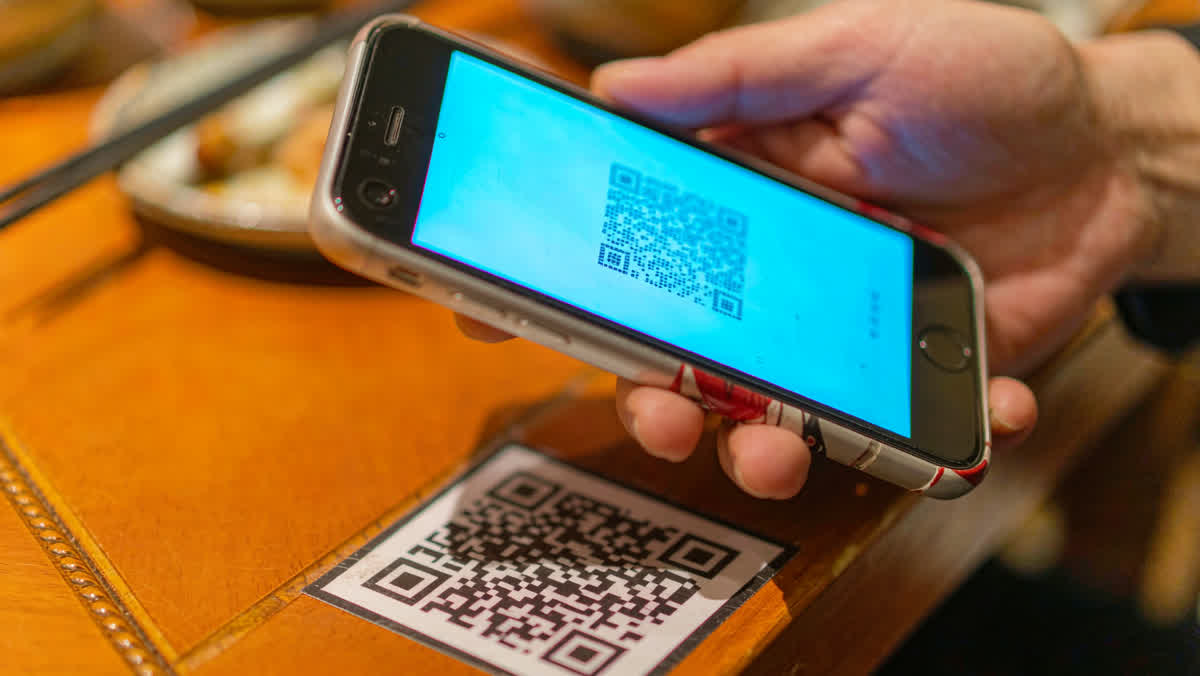
The two things that actually go wrong
The first is verification: it fails when you cannot receive an SMS on the number you registered, so sort your SIM card out before you set up the wallet. The second is battery. A power bank is not an accessory here — it is part of your wallet, because a phone at 0% means no payment, no map and no way back to the hotel.
Pay with the phone, keep ¥200 in the pocket, and carry a power bank. Do those three things and payment stops being the thing you think about.