The giant panda is China's national treasure, and seeing one in person is on many travellers' lists. Knowing where and when to go makes the difference between a glimpse and a memorable hour.
Chengdu: the easiest base
The Chengdu Research Base of Giant Panda Breeding is the most accessible place to see pandas, with dozens of animals, including playful cubs in the nursery. Arrive at opening time — pandas are most active in the cool morning hours and tend to sleep through the afternoon heat.
Other worthwhile options
- Dujiangyan Panda Base — quieter, with volunteer programmes and a hillside setting near Chengdu.
- China Giant Panda Park, Ya'an (Bifengxia) — a large, scenic reserve in Sichuan.
- Wolong / Shenshuping — deep panda country, best for travellers with more time.
Visiting responsibly
Keep your voice down, never tap on glass or throw anything into enclosures, and respect barriers. Flash photography is prohibited in most areas. Choose reserves that contribute to conservation and habitat work.
Why they are unusual
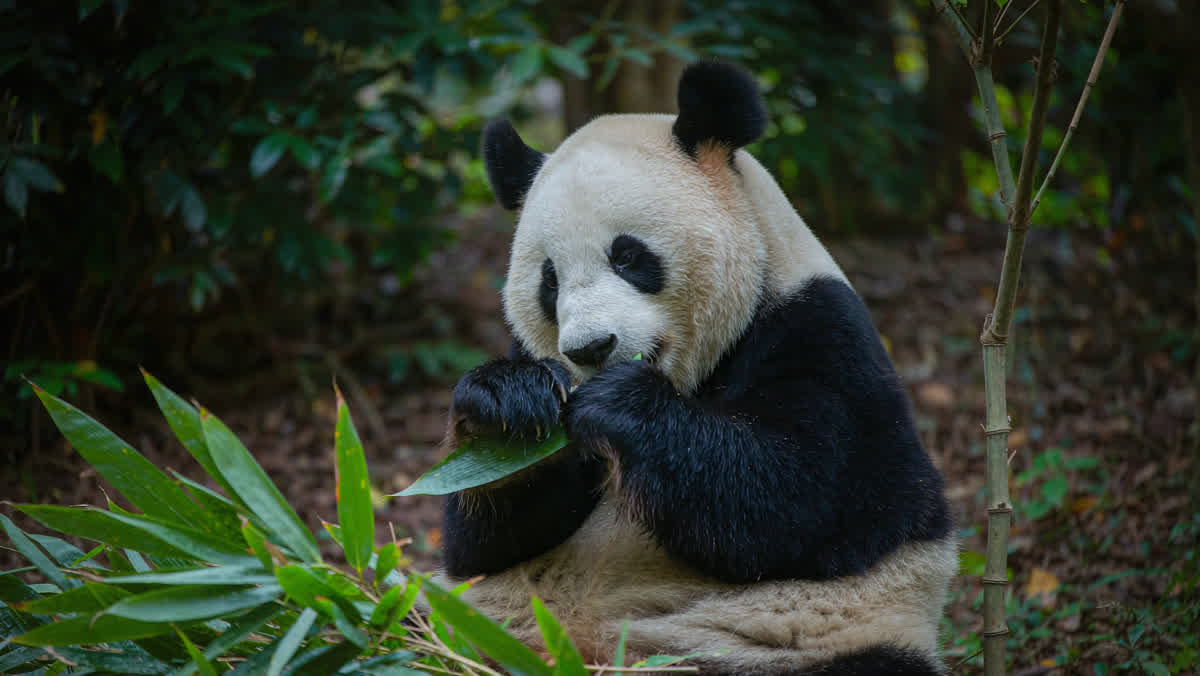
Pandas are carnivores by classification but eat bamboo almost exclusively — up to 12 kg a day — because they lost the ability to taste meat-derived umami. Their low-energy diet explains their famously slow pace.
Morning, cool weather, and patience. Pandas do not perform on schedule; a quiet hour watching one eat bamboo is the reward.